


Since 2023, which country has the world’s largest displacement crisis, devastating famine, and most catastrophic humanitarian emergency by absolute numbers?
If you guessed Gaza, Haiti, Congo, or Ukraine, you’re wrong. The answer is Sudan. Since April 2023, Sudan has been engulfed in a civil war between the military (Sudanese Armed Forces - SAF) and the paramilitary (Rapid Support Forces - RSF). Harvests have failed, over 400K are dead, 10M+ have been displaced, and the currency has plummeted. In January 2025, the Preparatory Committee of the Sudanese Doctors Syndicate reported that half a million infants had died of malnutrition & starvation.

Sudan is an Afro-Arab country in Northeast Africa, about the size of Alaska (half the EU), with ~50M people as of 2024. Its name derives from the Arabic Bilad al-Sudan ("land of the Blacks"), historically referring to African lands south of the Sahara. The Blue & White Nile converge near the capital Khartoum. Across the Nile is Sudan’s largest city, Omdurman.
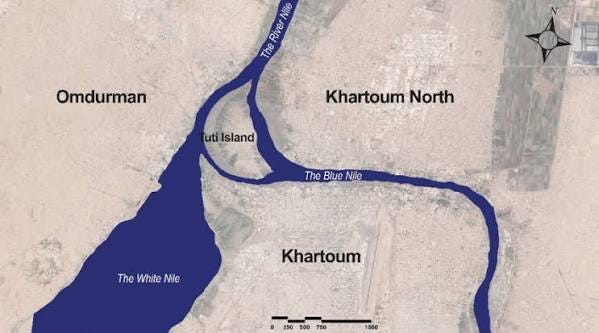
Northern Sudan is mainly desert, while the Nile supports much of the country’s agriculture and population. The country is over 90% Muslim, but ethnically more diverse. You have riverine Black Arabs (Ja’aliyyan & Shayqiyyah), nomadic Black Arabs (Juhayna, Baggara), Nubians, Zaghawa (also in Chad), and more. These divisions shape today’s civil war. The SAF is led mostly by riverine Arab elites with the rank-and-file from the marginalized peripheries, while the RSF draws mainly on Western Nomadic tribes.
Western Sudan, Darfur, is nearly as large as France and home to ~100 tribes, including non-Arab ones like the Fur and Masalit. Also before South Sudan seceded in 2011, the country also had a Christian and Animist South, geographically filled with swamps, wetlands, and oil fields.
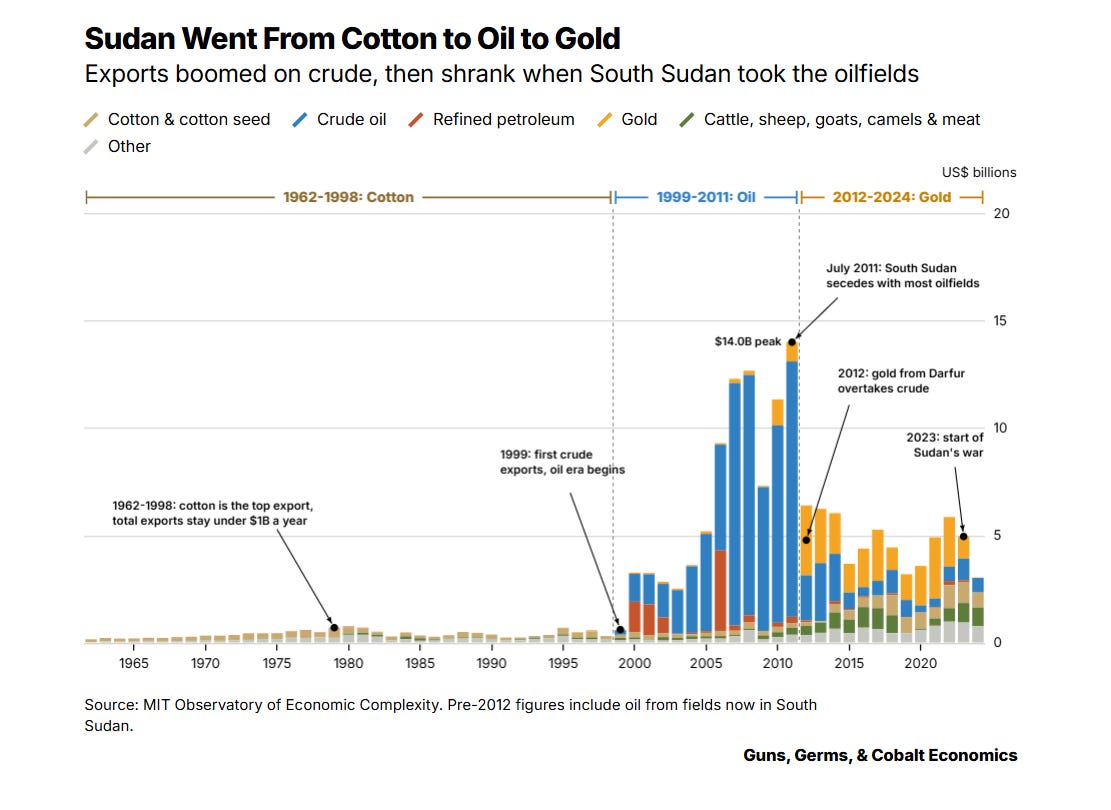
Economically, since ancient times to Turko-Egyptian rule, Sudan has always depended on a few exports: slaves, ivory, and gum arabic. Under the British, it was cotton. By the 2000s, crude oil was Sudan’s main source of foreign exchange (FX), the dollars a country earns abroad to pay for imports. But when South Sudan seceded in 2011, Sudan lost the South’s oilfields. Gold from Darfur & the northern hills became Sudan’s top merchandise export, but it hasn’t replaced the lost oil revenue.
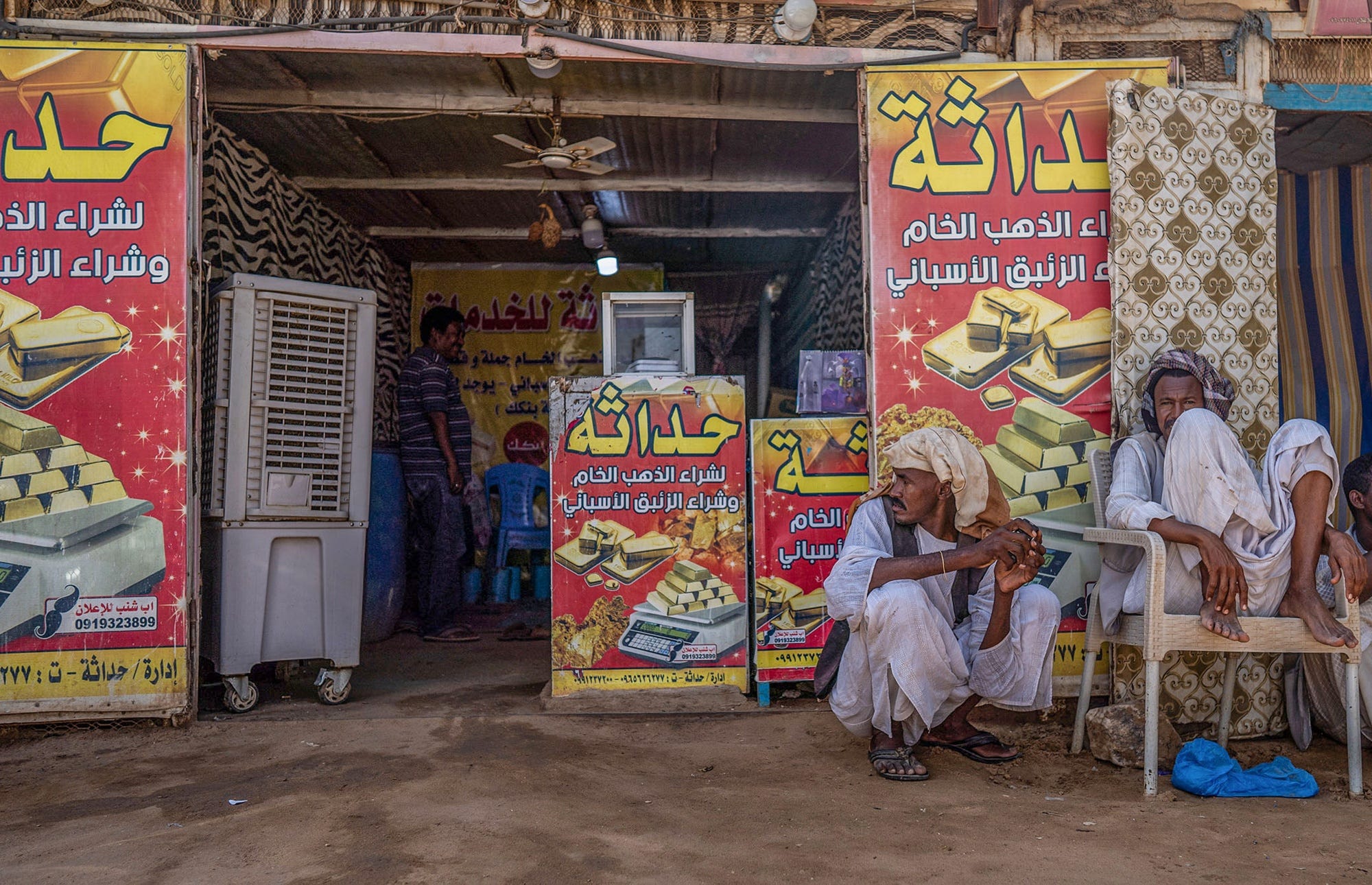
There are licensed miners like Meroe Gold, which has ties to Russia’s Wagner Group/Africa Corps, but much of Sudan’s gold is dug by unregistered artisanal miners and smuggled abroad. So the Sudanese state doesn’t collect the taxes nor the FX.
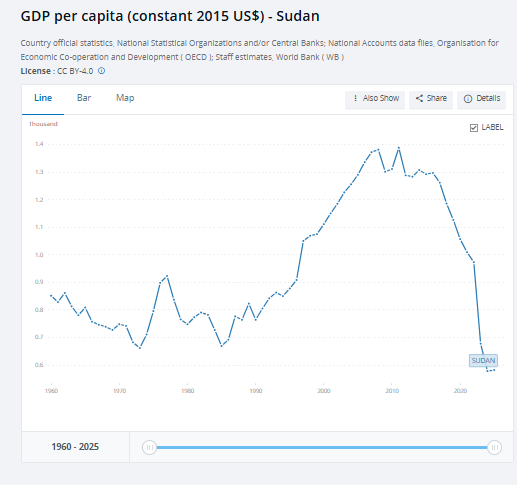
Between the lost oil and the civil war, the average Sudanese today is poorer, after adjusting for inflation, than in the 1960s.
Even before the war, Sudan, the self-proclaimed “future breadbasket of the Arab world”, grew less rice, wheat, and corn per acre than the average net food-importing developing country.

So how did Sudan become so poor and unstable? To answer that, we have to go back ~4500 years.
Pre-Colonial History of Sudan
Kerma (2500-1500 BC)
Around 2500 BC, the Kerma Kingdom emerged in Nubia, the Nile Valley stretching across today’s Upper (southern) Egypt and northern Sudan. Kerma was arguably the 1st centralized kingdom recorded in Sub-Saharan Africa. Egyptian elites sneered at their southern neighbor as “the wretched Kush”, but they needed Kerma. Egypt sold grain to Kerma for gold, ivory, and slaves.

Egypt Rules Kush (1500 to 1070 BC)
Pharaoh Thutmose I conquered Kerma and folded it into the New Kingdom of Egypt around 1500 BC, splitting Nubia into the Northern Wawat and the Southern Kush (or Cush).
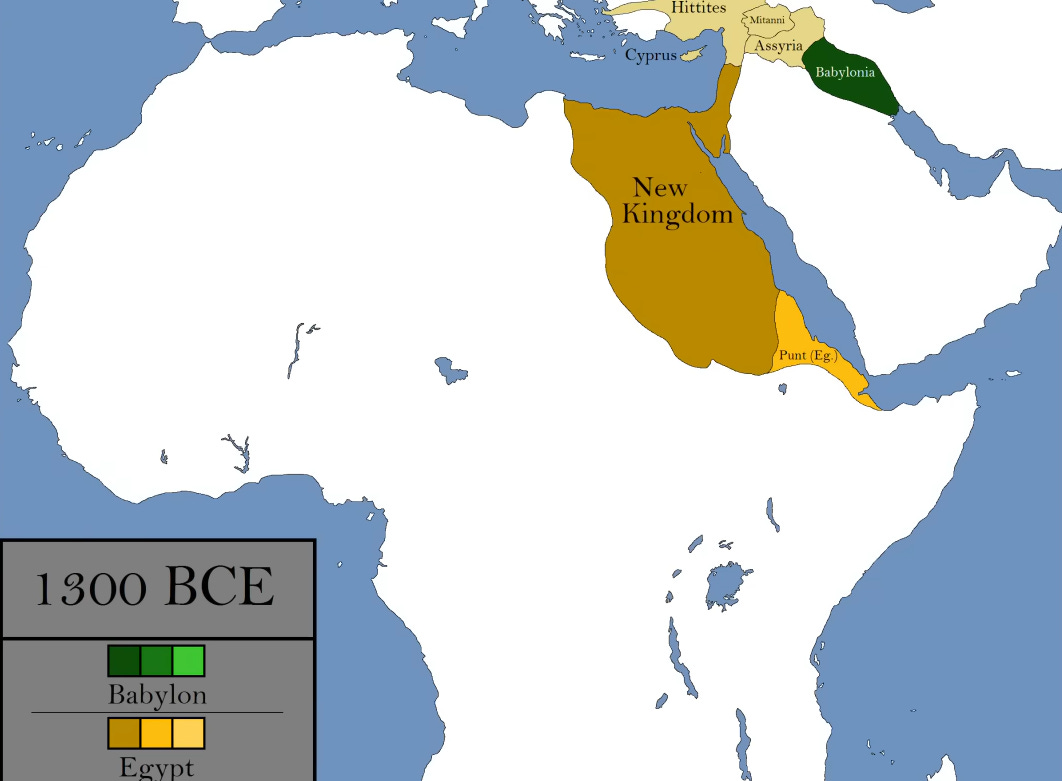
Egypt no longer traded for Nubian gold and slaves; it took them as tribute. Egyptians settled in Kush, whose elites adopted Egyptian language and religion. Kush also appears throughout the Bible in Genesis, Numbers (Moses marries a Kushite woman), Samuel, and more.
When internal conflict weakened Egypt around 1070 BC, the Kushite elites took their land back.
Kush Rules Egypt (750 to 656 BC)
Then the tables turned. With Egypt splintered by warlords, the Kushites conquered Egypt and ruled as the 25th Dynasty, the era of Black Pharaohs.

The most famous black Pharaoh was Taqharqa(Tirhakah), who shows up in the Bible’s 2 Kings and Book of Isaiah, fighting Assyria.
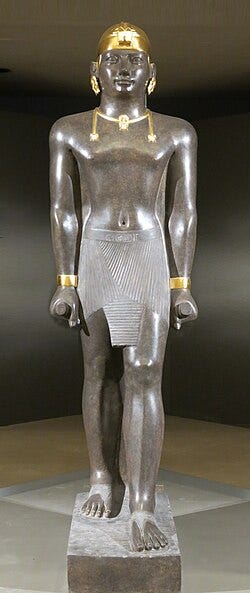
The Assyrians eventually invaded Egypt and forced the Kushites out of Egypt for good.
Napata (654 BC to 270 BC)
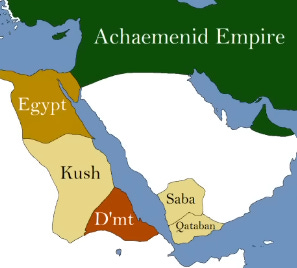
The Kushites regrouped in Napata, Nubia, where they built temples, worshipping Egyptian deities like Amun-Ra.
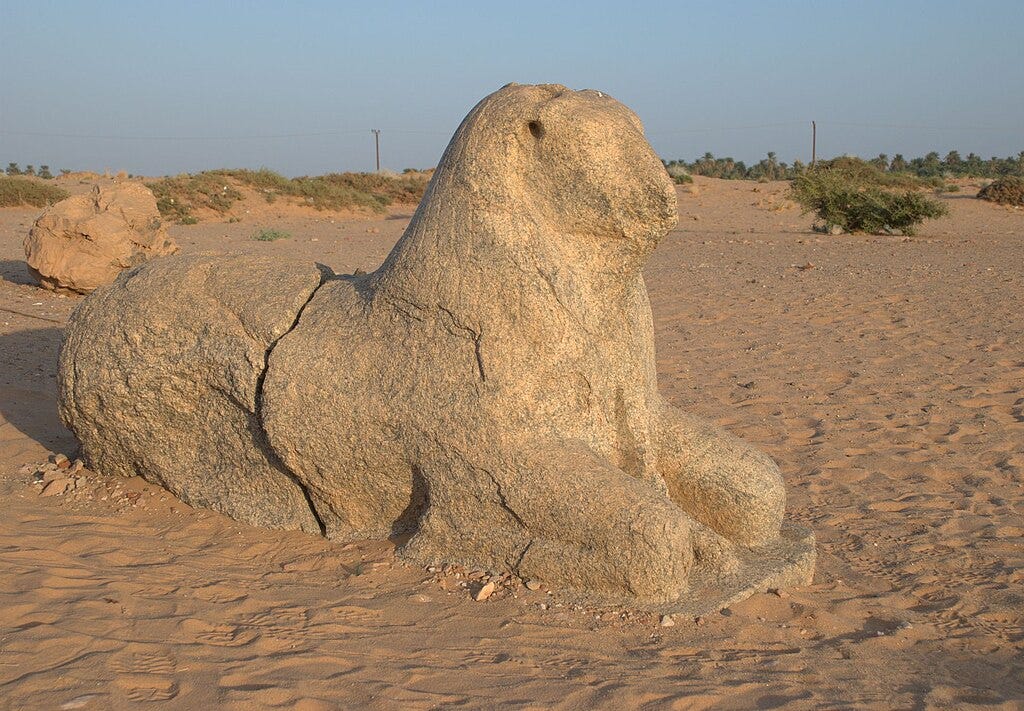
Around 590 BC, Egypt sacked Napata in a preemptive strike, and over the following centuries, the Kushites shifted their capital south to Meroe.
Meroe (270 BC to 350 AD)
While Egypt fell to Persians, Greeks, and, by 30 BC, Rome, Meroe stayed independent and kept the Pharaonic tradition alive.

Kushite Kings were buried under pyramids centuries after Egypt stopped building them, which is why Sudan today has more (though smaller) pyramids than Egypt.

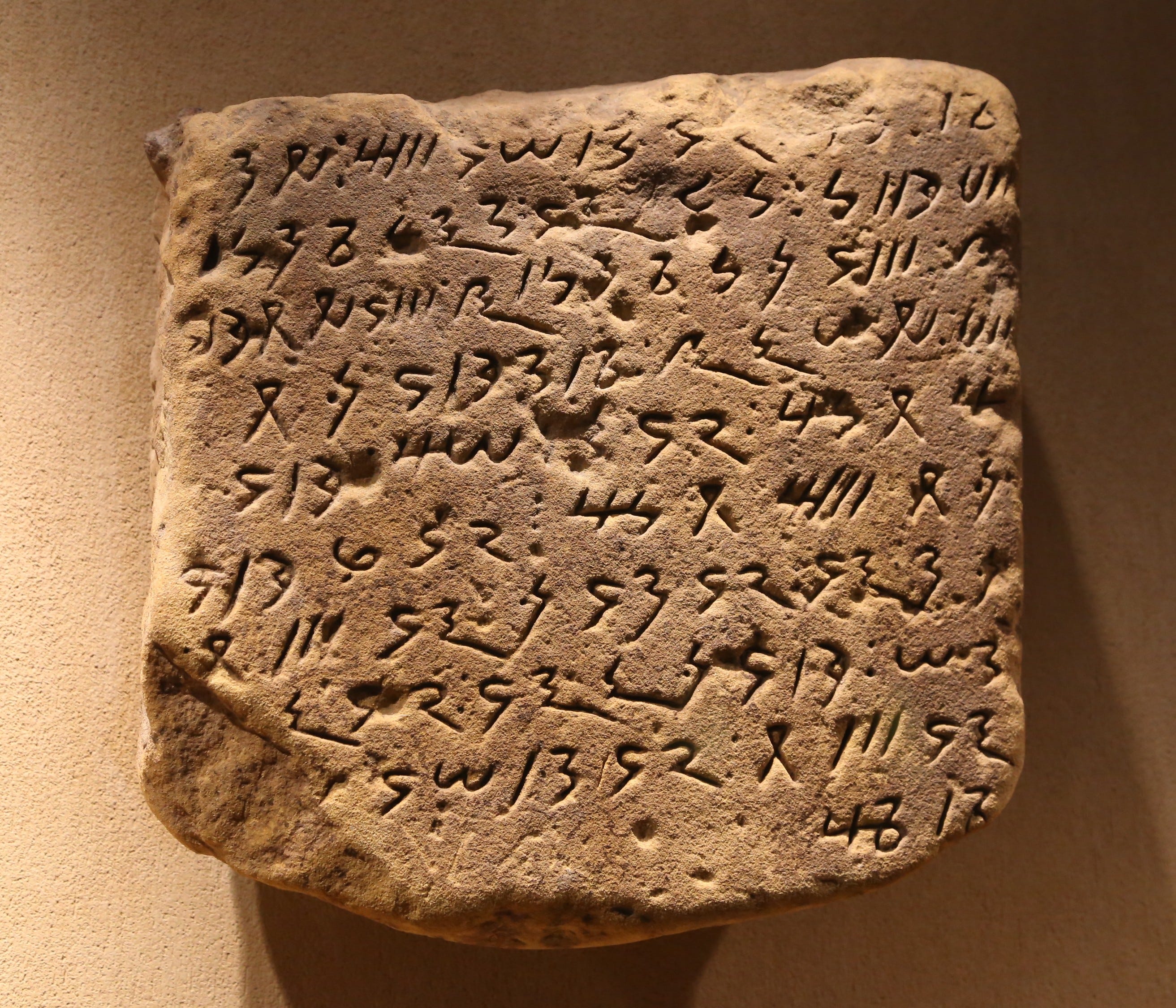
Meroe also developed ironworking, irrigation, and its own alphabet, the Meroitic script. Greeks and Romans referred to the Kushites as Aethiopians, or “burnt face people”.
Around 25 BC, Roman Egypt’s army was distracted by a disastrous campaign in Yemen, leaving Egypt’s southern frontier undermanned. When Roman tax collectors pushed into Kushite territory, the one-eyed Kushite Queen (Candace) Amanirenas struck back, raiding Roman Egypt, enslaving Egyptians, and tearing down statues of Roman Emperor Augustus.
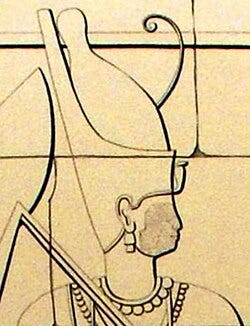
Rome retaliated, sacking Napata and raiding for slaves, but Amanirenas refused to yield and besieged the Roman fort on Kushite land. Occupying the harsh Nubian desert against defiant Kushites was a logistical nightmare and a money pit, so Rome negotiated a peace deal, and the two became trade partners.
After the 1st century AD, the slave, gold & ivory trade shifted from the Nile to the Red Sea, where the Aksum Empire (today’s North Ethiopia & Eritrea) shipped slaves & goods to Arabia. When Rome declined in the 3rd century, Meroe lost its best customer.
Eventually, Meroe was attacked by desert raiders, like the Noba, and in the 4th century AD, Aksum’s King Ezana finished Meroe off.
Christian Nubia: Nobatia, Makuria, & Alodia (500s to 1504 AD)
By the 6th century AD, three kingdoms emerged from Meroe’s remnants: Nobatia, Makuria, and Alodia. The Nubian Kingdoms converted to Christianity by Byzantine & Coptic Egyptian missionaries.

In 640 AD, the Arab armies of the Rashidun Caliphate conquered Egypt, then invaded Nubia twice (642 & 652). Both times, Nubian bowmen drove them back, famously aiming for invaders’ eyes. The Arabs settled for the Baqt treaty: Egypt sent grain, cloth, and horses, and Makuria sent hundreds of slaves annually. The treaty endured for centuries, allowing Makuria to consolidate power and absorb Nobatia.
Meanwhile, the Banu Kanz, Arab migrants intermarried with Beja and Nubians, controlled the gold & slave trade routes around Aswan for Egypt’s Fatimid Caliphate. When Saladin toppled the Fatimids in 1171 and founded the Ayyubid Dynasty, he crushed the Banu Kanz rebellion, pushing them south into Nubia, spreading Islam in Nubia.

In 1250, the Mamluks, Turkish slave soldiers turned into rulers, overthrew the Ayyubids in Egypt. They attacked Makuria in 1276, and by 1316-17 they replaced Makuria’s Christian King with a Muslim vassal.

Since then, Nubian Kings kept sending slaves north as tribute to Mamluk Egypt.
From 14th century AD onward, Arab tribes and the Hawwara, Amazigh-Berber nomads from West Libya, migrated into Nubia, drawn partly by rumors of Nubian gold & emeralds. In 1412, the nomads sacked Aswan, drove out the Banu Kanz, and ruled North Sudan/Southern Egypt.
Further west, in Darfur, Arab geographers noted the Daju Kingdom. But, in the 15th century the Tunjur displaced it.

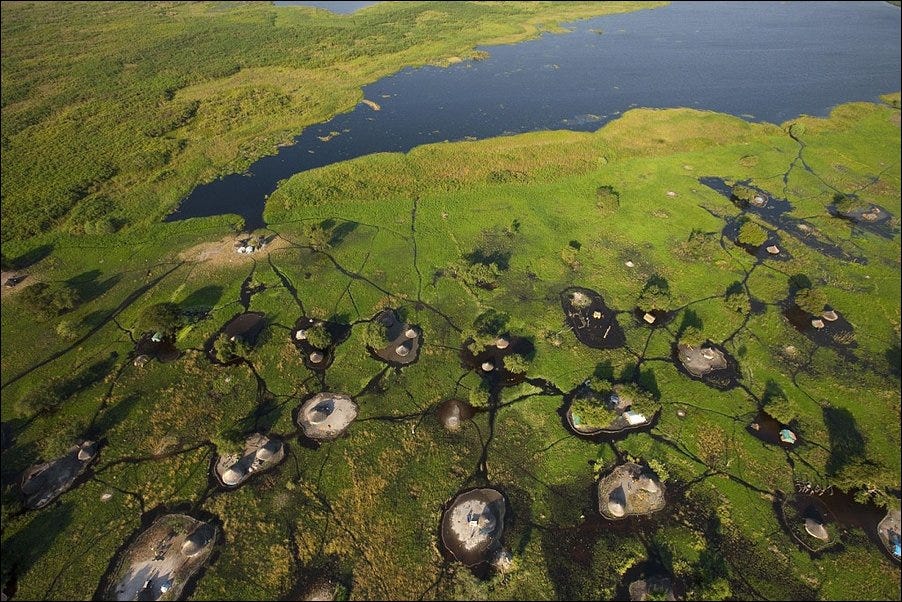
Along the Nile, Arab tribes led by Abdallah Jamma’a reportedly destroyed Soba, Alodia’s capital, ending the last major Christian Nubian kingdom. Islam spread with the newcomers, but it stopped at the Sudd, a colossal, mosquito-infested papyrus swamp in today’s South Sudan. The Sudd obstructed Arab armies from reaching the Nuer and Dinka tribes, leaving the south largely untouched by Arabization.
The Funj Sultanate (1504-1821)
In 1504, the Funj, a confederation of Sudanese cattle-herding nomads, defeated Abdallah’s Arabs, founded a Sultanate at Sennar on the Blue Nile, and made Abdallah’s Arabs (the Abdallab) their vassals. The Funj were African, not Arab, but they converted to Islam, adopted Arabic, and claimed Umayyad Caliph descent to justify outranking their Arab subjects. They built their army from slaves raided in the Nuba mountains and Kordofan.

After Ottoman Turkey conquered Egypt in 1517, they seized the Red Sea port of Suakin and pushed up the Nile (going south) but Funj and Abdallab forces stopped Ottoman expansion at the Battle of Hannik in 1585.
In west Sudan in the 1600s, the Fur people’s Keira dynasty replaced the Tunjur and founded the Islamic Sultanate of Darfur (“home of the Fur”).

Like the Funj, Darfur raided its periphery for slaves and sold them north to Egypt. The Funj were also invaded by the Shilluk people in the White Nile below them, but Funj repelled them.

Turkish-Egyptian Rule of Sudan (1821-1885)
Egypt was nominally an Ottoman territory, but its ruler, Mohammed Ali Pasha, pushed south on his own terms, and he was blunt about why.
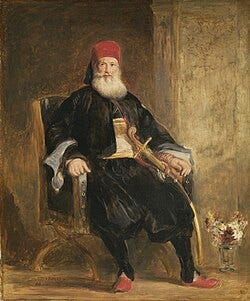
“You are aware that the end of all our efforts and this expense is to procure negros. Please show zeal...” —Muhammed Ali Pasha
In 1821, Egypt conquered the Funj, called the territory Sudan, and founded Khartoum as an army camp at the Nile confluence. Khartoum became a depot for shipping Sudanese slaves and ivory north.
Egypt worked through the Jallaba, riverine Sudanese Arab and Nubian merchants who organized slave raids and sold captives, ivory, & gum arabic, to Egyptian state monopolies. For religious legitimacy, Egypt patronized the Sudanese Khatmiyyah Sufi religious order as its local partner. Slavery was Sudan’s most profitable business for Egypt: over 30K Sudanese were conscripted as slave soldiers into the Egyptian army and many more were sold into the trans-saharan, Red Sea, and Indian Ocean slave trades. Egypt taxed heavily, and Egyptian settlers seized Sudanese land.
British pressure forced Egypt to ban slave exports around 1860, but Sudanese merchants simply shipped captives from Kordofan across the Red Sea to Arabia.
Meanwhile, Egypt’s Khedive Ismail, who completed the Suez Canal, pushed deeper into Africa. In the 1870s, Egypt hired Europeans like Samuel Baker, who used steamships to penetrate the Sudd, opening the deep south to Egyptian rule. Egypt garrisoned more land, calling them Upper Nile, Bahr al-Ghazal, and Equatoria (today’s South Sudan), while briefly controlling territory in North Uganda, and the horn of Africa.

Holding the empire was harder. Rebellions erupted in Khartoum, Sennar, Suakin, and Darfur from 1840 to 1880. The slave-raided Animist South resisted the hardest.
Ismail’s policy was also at war with itself: he hired the Brit Samuel Baker to suppress slave trading in Equatoria while relying on the Sudanese slave trader, al-Zubayr Rahma Mansur, to run Bahr al-Ghazal. Al-Zubayr conquered Darfur for Egypt in 1874, but his private slave empire grew too powerful. Egypt sent hired European officers and Sudanese soldiers to crush it.
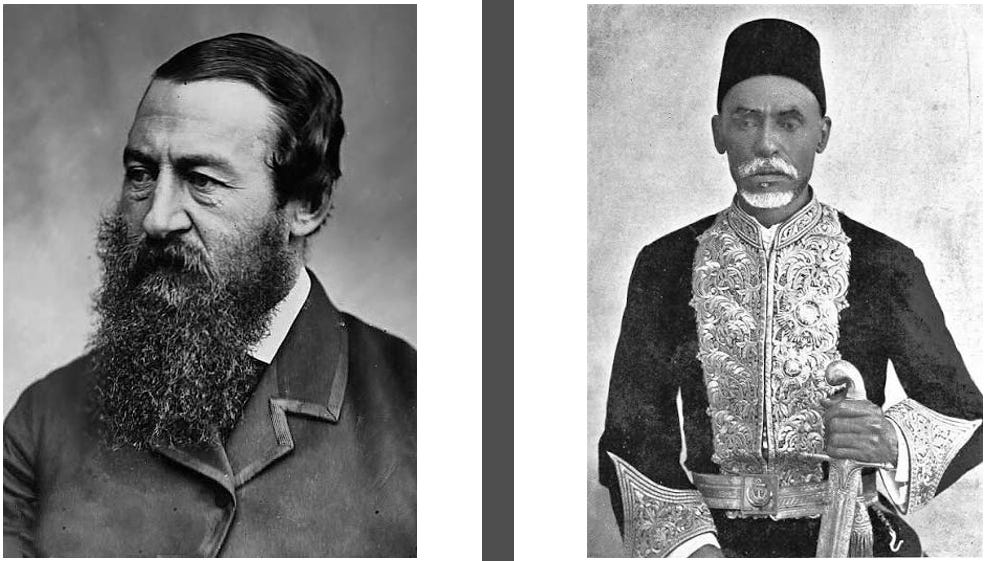
Ismail’s fatal weakness was debt though. By the 1870s, 50% of Egypt’s revenue was paying interest & principal to European creditors. Egypt defaulted in 1876, and Britain and France took over Egypt’s finances through the Public Debt Commission, a proto-IMF.
To free up money for creditors, Britain and France forced budget cuts to the Egyptian army, provoking Colonel Ahmed Urabi’s revolt with Egyptian officers in 1879. Britain bombarded Alexandria and occupied Egypt in 1882. Bankrupt Cairo left its Sudanese forts unpaid and unsupplied. A political vacuum was opening.
Mahdiyya Sudan (1881-1899)
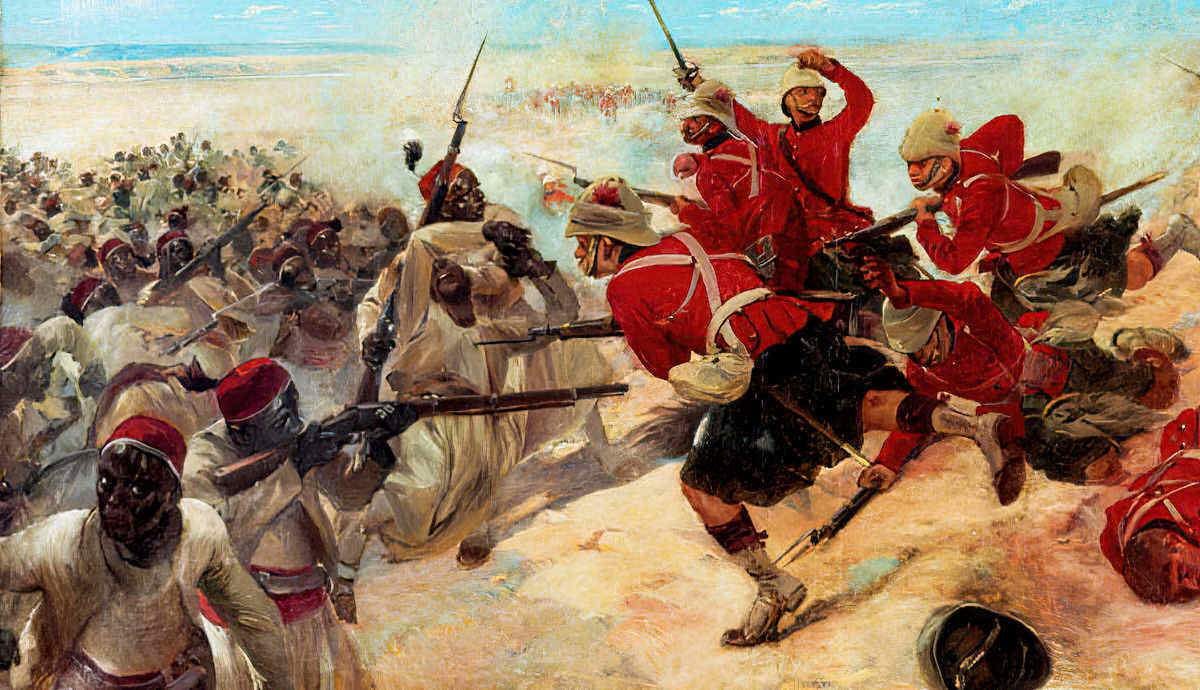
By 1881, Sudanese had enough of Egypt. They hated Egyptians whipping them with a kourbash to collect taxes, cracking down on Sudanese slave trading which ruined the livelihoods of Sudanese Arab merchants, paying European Kafir (unbeliever) to govern them. That year, a cleric named Muhammad Ahmad proclaimed himself the Mahdi, “the Guided One”. His devotees, the Ansar (“the Helpers”), launched jihad, capturing Darfur, Sennar, Kordofan, and Bahr al-Ghazal from the Egyptians, replenishing their infantry with enslaved captives.
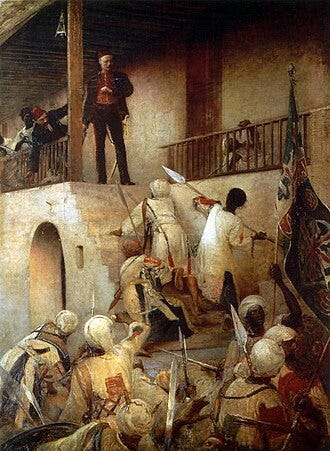
The Mahdiyya annihilated British Commander Hicks’ Egyptian army in 1883. Britain, now running Egypt, decided Sudan was ungovernable and sent General Charles Gordon to evacuate Khartoum. But Gordon stayed and fought instead. In 1885, the Mahdiyya stormed Khartoum, killed him, and hung his head in the fork of a tree, a national humiliation for the UK.
Months later, the Mahdi died of typhus, and his deputy, Abdullahi, became Caliph. When Ethiopia’s Emperor Yohannes IV proposed an African alliance against imperialism, Abdullahi demanded that Yohannes convert from Orthodox Christianity to Islam. That was off the table and they went to war. In 1889, the Mahdiyya killed Yohannes.
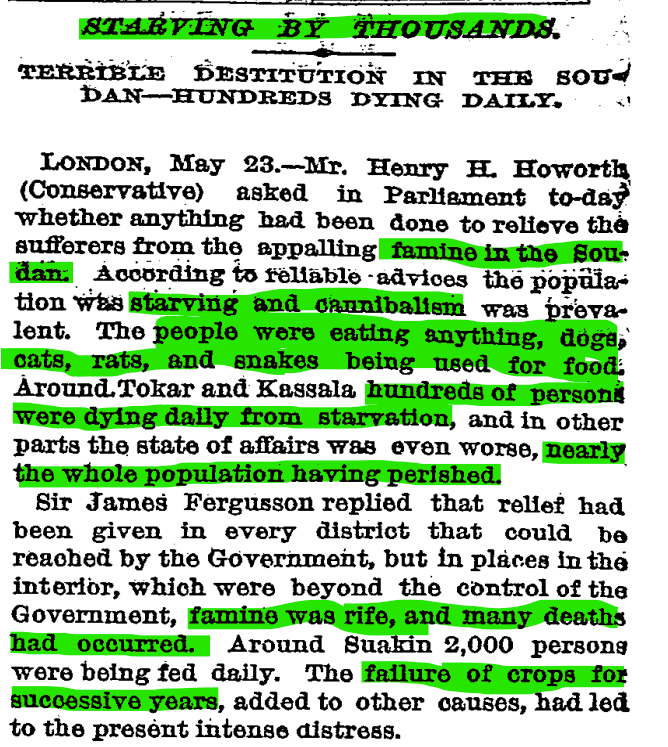
Then came the Sanat Sitta (“Year Six”) famine of 1888-1892, which killed 1.5M Sudanese. Drought, locust swarms, and cattle plague struck at once, while a British-Egyptian blockade at Suakin cut off the Mahdiyya from importing food.
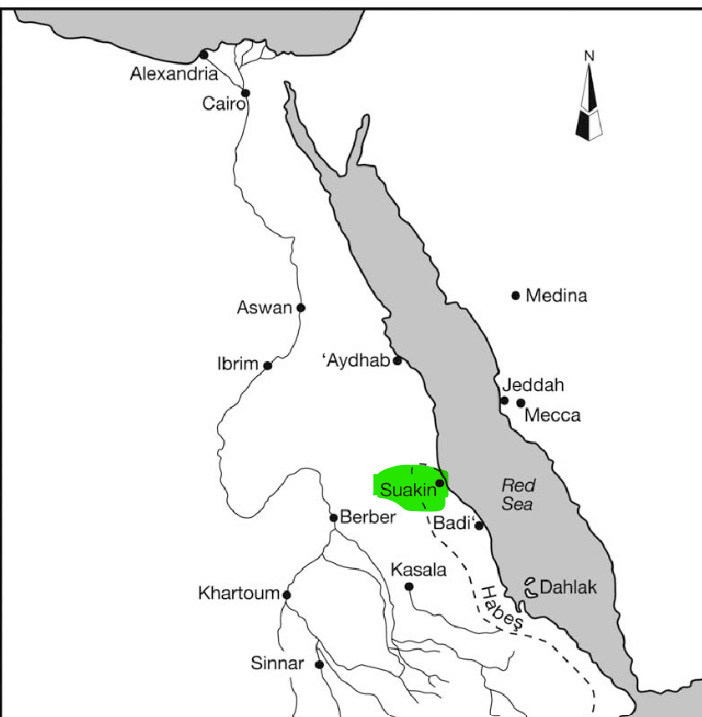
Cholera hit in Khartoum, and the NYT reported widespread cannibalism and starvation.
In 1896, Britain sent an Anglo-Egyptian army under Lord Kitchener to finish the Mahdiyya. At the Battle of Omdurman in 1898, machine guns killed 10K+ Sudanese. Caliph Abdullahi fled to Kordofan, where Anglo-Egyptian forces caught and killed him in 1899.
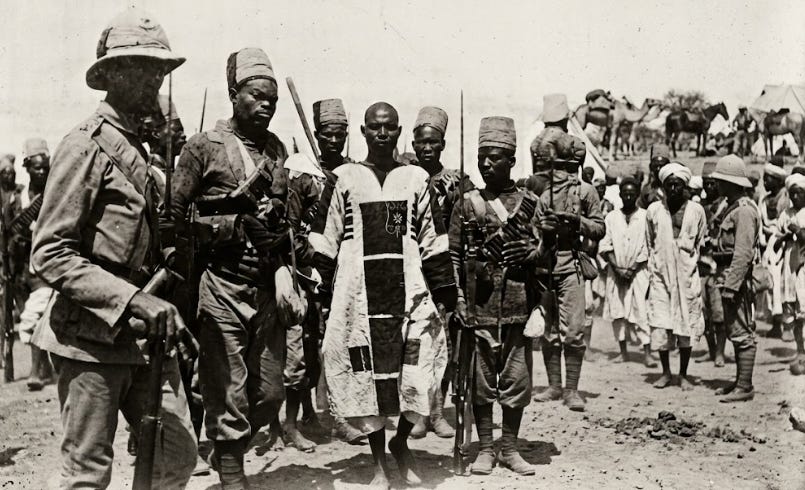
Anglo-Egyptian Sudan (1899-1955)
Britain and Egypt created the Anglo-Egyptian Condominium of Sudan in 1899: a joint colony on paper, but a British one in practice.
Britain ran the civil service, Egyptians filled mid-level posts, and the Arab Sudanese held the lowest jobs. The Mahdiyya declared Britain the al-Masih ad-Dajjal (the anti-Christ), rebelled four times between 1900 and 1908, as did tribal warriors in the Nuba mountains and Southern swamps. All were crushed, and then Britain ruled indirectly through local elites. Sheikhs governed the Arab North, tribal leaders governed the South, and Sultan Ali Dinar ruled Darfur autonomously until WW1, when he sided with the Ottomans. Britain killed him and made Darfur a province of Sudan in 1916.
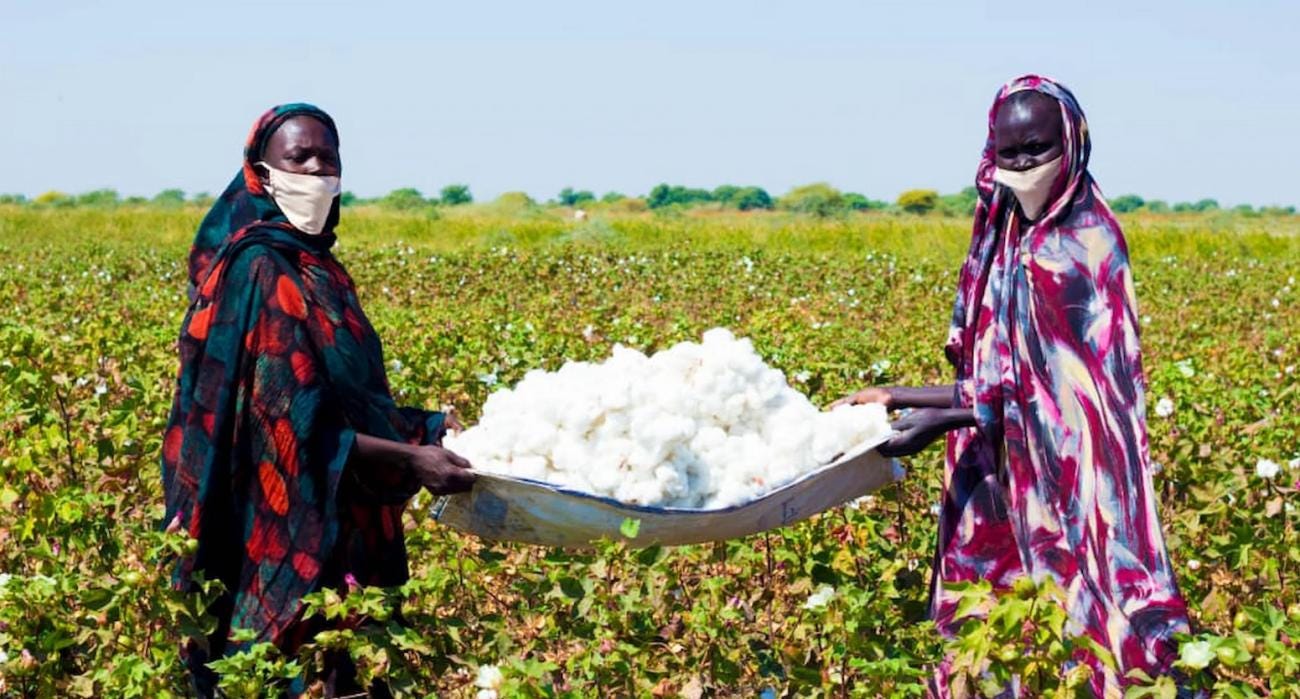
British investment concentrated in the Muslim North: Khartoum’s schools, Port Sudan (1909), railways and irrigation. Cotton generated over 50% of export revenue, followed by gum arabic (Sudan was the world’s main supplier), sesame, and livestock. The Sennar Dam and Gezira Canals created one of the world’s largest irrigation schemes, employing seasonal workers from Darfur.
Meanwhile, the swampy, Animist South (Upper Nile, Equatoria, Bahr al-Ghazal), home to the Dinka, Nuer, and Shilluk received little beyond Christian missionaries. Parts of the South weren’t fully subdued until the 1930s.

In 1930, Britain formalized this segregation under the “Southern Policy”, restricting Arab dress & names, Islam, and Jallaba merchants, while promoting English & local languages in missionary schools. British planners even explored attaching the South to its East African colonies.
About 75% of Sudanese lived in the North. Riverine northerners, who had more modern education and money, looked down on the southerners as “abid”, Arabic for “slave”. The South Sudanese resented the North for having a history of enslaving them.
Under colonialism, Sudan had new schools of law, engineering, veterinary science, agriculture, and medicine, which some colonies didn’t get until independence.
After WW1, Arab Nationalism spread among Sudan’s educated elite, officers of Khartoum Military & Gordon College, and the religious leaders. In 1924, Ali Abd al-Latif, a former army officer, led the White Flag League in street demonstrations for self-determination and “Unity of the Nile Valley” with Egypt.
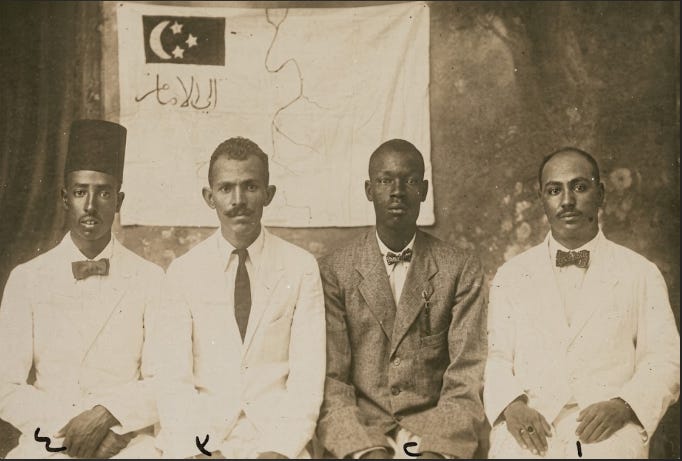
That November, Egyptian nationalists killed Sudan’s colonial governor-general in Cairo, while Sudanese soldiers mutinied in Khartoum. Britain crushed the uprising and expelled Egyptian troops & officials from Sudan, blaming Cairo for encouraging Sudanese nationalism.
Then in 1929, Britain signed the Nile Waters Agreement with Egypt. It gave 48B cubic meters of water to Egypt and 4B to Sudan, plus Cairo had a veto over upstream dam construction.
In WW2, Sudanese troops under British officers drove Italy out of Sudan and then helped liberate Ethiopia in 1941. In 1942, emboldened Sudanese in the General Graduates’ Congress demanded self-determination after the war. London rejected their petition, and Sudan’s nationalist movement fractured in two:
At the 1947 Juba conference, Britain swapped its Southern Policy for a “One Sudan Policy”. For Southern chiefs, the conference felt like an ambush. Northern delegates offered assurances about Southern autonomy, rights, and culture, but none of those promises were codified in law. Britain then dismantled regional barriers, promoted Arabic in Southern schools, and opened the South to Northern proselytizing.
But Egypt was impatient. King Farouk of Egypt called himself “King of Egypt and the Sudan” in 1951. In 1952, an Egyptian military revolution led by Gamal Abdul Nasser and Muhammed Naguib (Who was half Sudanese through his mom) overthrew the King. They backed Sudan’s self-determination, confident that Sudan would unite with Egypt anyway.
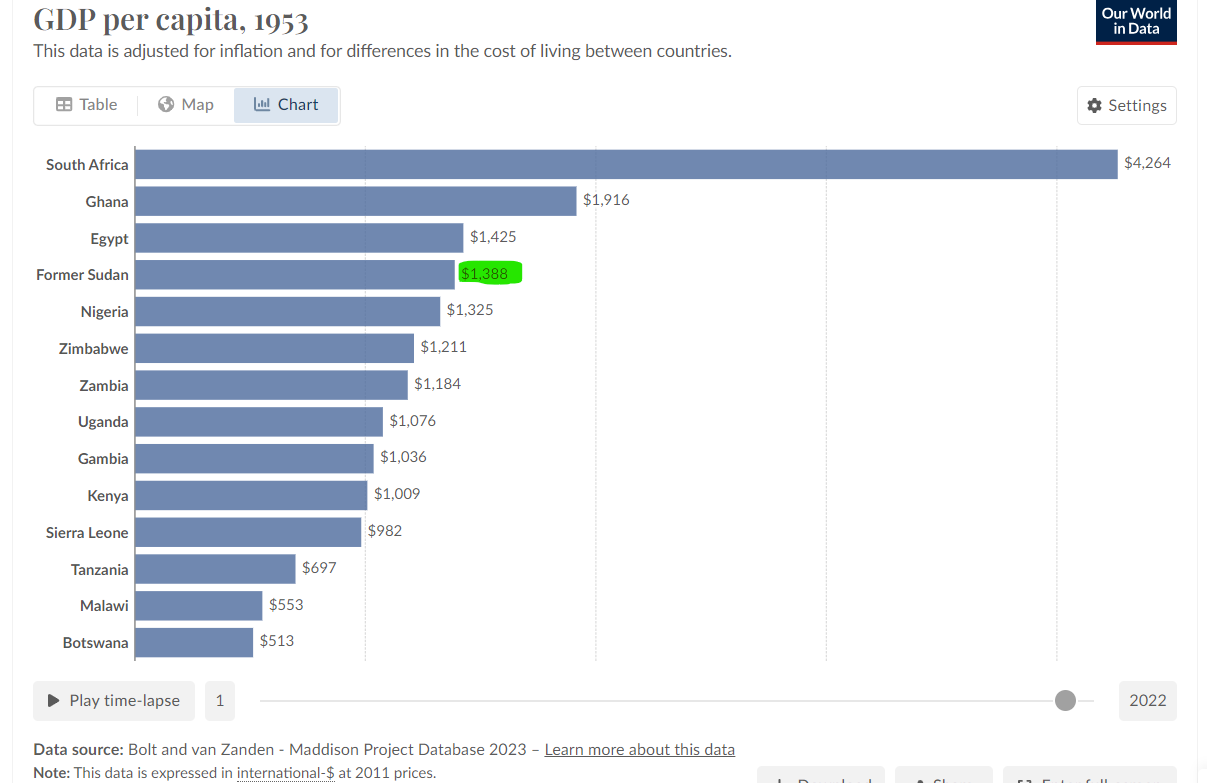
By this point, Sudan was one of Africa’s richer colonies, yet not as dynamic as South Africa, Ghana, or Egypt.
In the 1953 Sudanese parliamentary elections, Al-Azhari’s pro-Egypt National Unionist Party won a majority. The Ummah came in second, and the Southern party, which opposed Egyptian unity won only 9 out of 97 seats.
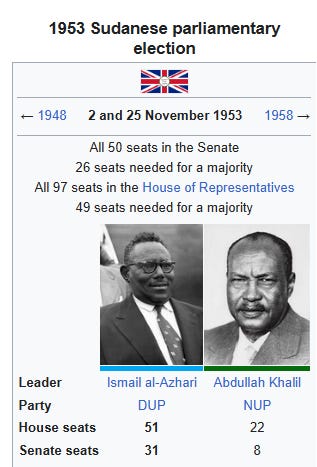
Ismail al-Azhari (1954-1956)
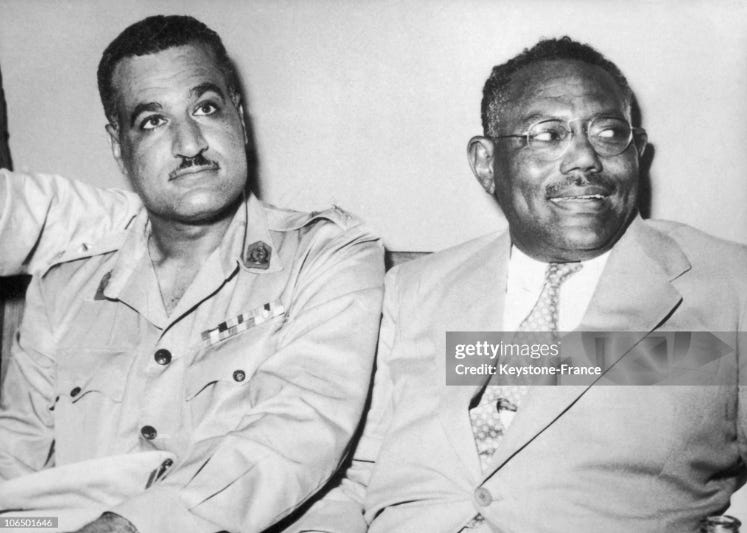
In 1954, al-Azhari became Sudan’s 1st Prime Minister and invited Egyptian President Muhammed Naguib for the opening of the Sudanese Parliament. To the Mahdiyya in the Umma party, this was seen as provocative. They rioted in Khartoum, killing 30+ people on March 1st. This was the first bloody warning that many Sudanese would never accept unification with Egypt.
The second signal came from Egypt. After the Muslim Brotherhood failed to kill Nasser, Nasser consolidated power, placed President Naguib under house arrest for alleged Brotherhood ties, outlawed the Brotherhood, and suppressed political opposition. This crackdown horrified the Sudanese politicians, fearing that joining with Egypt meant surrendering parliamentary democracy to an autocratic regime that sidelined Islam’s role in society. Sensing the room, Al-Azhari abandoned “Unity of the Nile” and pursued Sudanese independence.
But, independence raised three questions that the South cared about:
1. Will power be concentrated in Khartoum, or would the South have autonomy?
2. Will Sudan be secular or Islamic?
3. What will the official language be?
Al-Azhari and his team favored an Arab-Islamic Sudan, set to join the Arab League, with Arabic as the official language. He dismissed the South’s demands for federalism as treasonous secessionism.
The boiling point was Sudanization of the civil service. As British administrators packed their bags in late 1954, a Sudanese committee filled roughly 800 senior administrative, police, and district posts. Northerners received 99% (794/800), while Southerners got 6. Khartoum justified the disparity by blaming the South’s lack of high school and university graduates, but southerners saw this as discrimination.
Start of 1st Sudanese Civil War (1955):
In 1955, the south was an open powder keg. Al-Azhari sacked two Southern cabinet members for disagreeing with him on southern affairs. In July, after being fired, 300 southern cotton workers protested. The Northern police shot the crowd, six were killed by gunfire and two were drowned. Days later, a fake telegram circulated among southern clerks, purportedly from al-Azhari, ordering northern commissioners to “persecute [the southerners], oppress them, ill-treat them.”
In August, Northern authorities uncovered a Southern mutiny plot. Al-Azhari acted aggressively: he airlifted Northern troops into Juba, the capital of Equatoria in the South, and ordered the South’s Equatoria corps to surrender their heavy arms and board trains to Khartoum. The southern soldiers saw this as a death trap, so the Equatoria Corps mutinied at Torit.
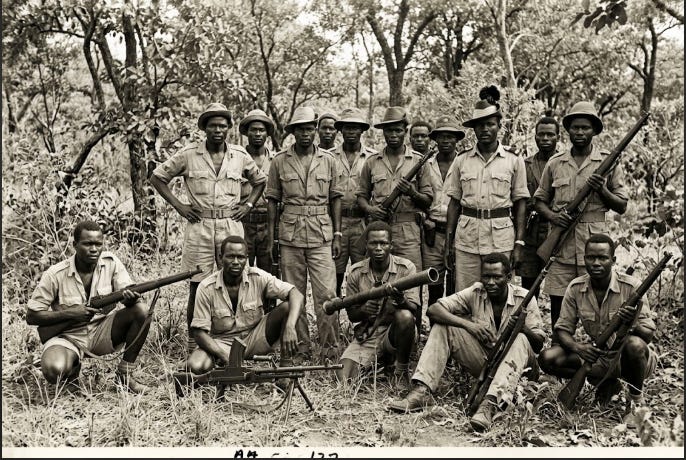


The Torit Uprising spread across the South, where mutineers and mobs killed hundreds of northern officers and traders, marking the start of the 1st Sudanese Civil war in the South. Eventually, some Southern rebels offered to stand down if British or Egyptian troops came down to Juba instead of Northern Sudanese. Instead, Al-Azhari ordered the execution of mutineers, and survivors fled to the bush, Belgian Congo, or British Uganda with rifles. When Britain and Egypt withdrew on January 1st, 1956 on Sudan’s independence day, the rebellion became Sudan’s internal problem.
Within months, Al-Azhari’s coalition fractured. His Khatmiyya backers joined their archrivals, the Mahdiyya, and in July 1956, parliament replaced Al-Azhari, its “founding father”.
Final Thoughts
Sudan, home to Kerma, Kush, Nubia, and Sennar, has one of Africa’s longest recorded civilizations. But for centuries, the Sudd swamp obstructed Egyptian & Sudanese expansion to the deep South. Northern Sudanese enslaved peoples in Kordofan, the Nuba Mountains, and southern frontier regions, while much of the deep South remained beyond their rule.
Turko-Egyptian expansion penetrated the South in the 19th century. Britain then unified these regions into one colony, disproportionately investing in the Muslim North while isolating the south, deepening existing mistrust.
Sudan’s colonial history is a mirror of French Chad: two cotton colonies with histories of northern Muslim slave raiding. But while France cultivated a Southern minority elite, Britain invested more in the Northern majority.
Join me for Part 2 as we discuss Sudan post-independence.
Sources
Library of Congress: Sudan a Country Study
UNESCO: General History of Africa, IV, V, VI, VII, & VII
thank you so much for this comprehensive read. I value all the work you have been consistently doing in opening the channels for Africa to be in the conversation through a very nuanced way. This is all amplified by your work as a great starting point in getting Africa to the conversations we are having about the world. Especially the under-talked-about Sudan. Thank you.
I wrote this about wider patterns, and included Nubia. Possibly of interest https://www.ggd.world/p/slave-raiding-solidarity-and-status?r=zccyx&utm_campaign=post&utm_medium=web